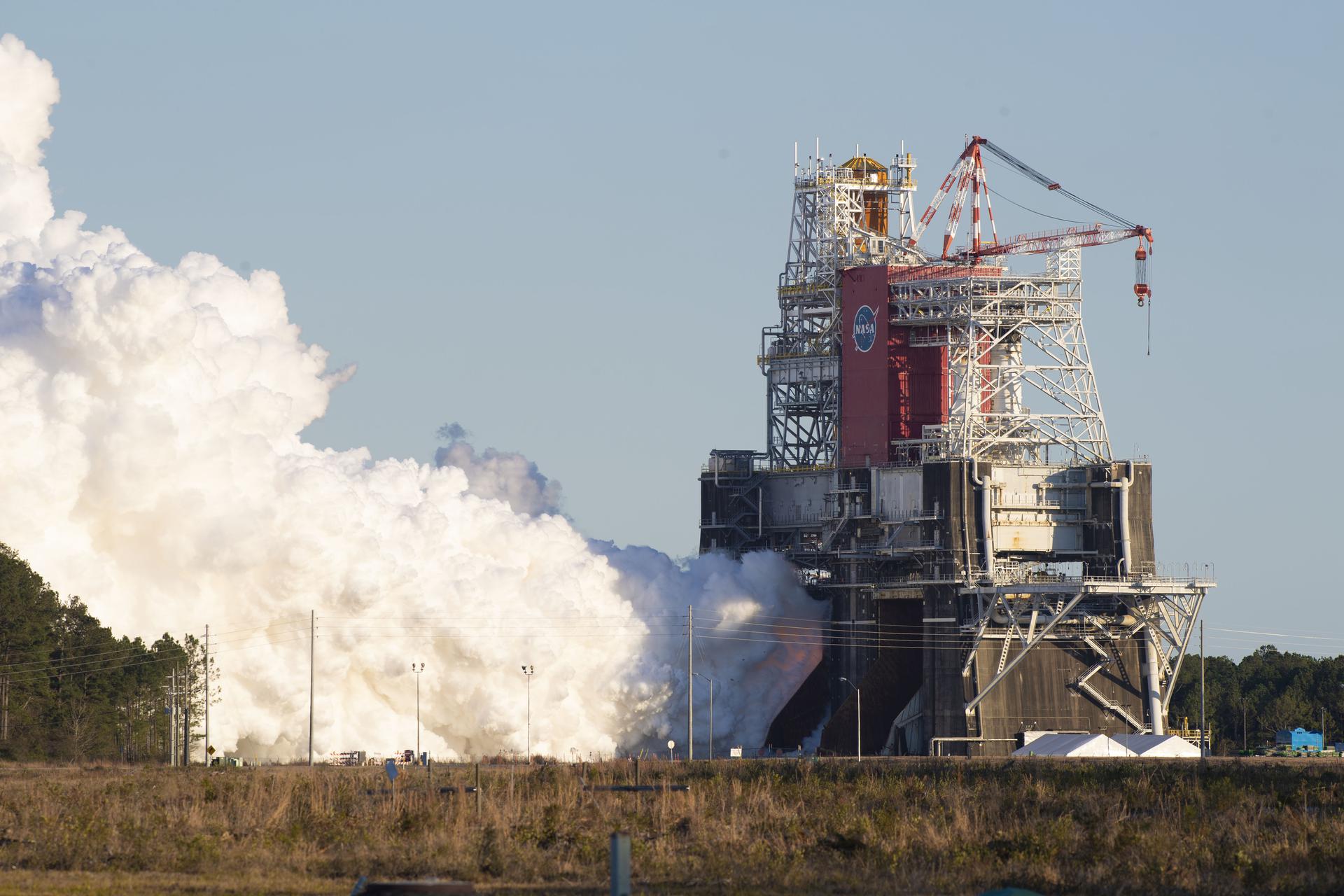
01What space technology is
Space technology is the engineering that lets us leave Earth, survive in space and operate on other worlds — propulsion, life support, robotics, power, communications and materials. For Mars it matters more than for any other destination, because the planet is far, cold, low-pressure and unforgiving: almost nothing about a settlement works without purpose-built technology.
Many of these technologies are already in daily use in orbit and on the Martian surface — reusable rockets, ion thrusters, oxygen generators, autonomous rovers. Others exist only as prototypes or concepts. This page separates the two honestly.
02Rocket technology
Getting mass to Mars affordably is the first problem, and the answer is reusability plus scale.
Reusable rockets
Recovering and reflying boosters — pioneered at scale by SpaceX’s Falcon 9 — cuts the cost per launch dramatically, because the most expensive hardware flies again instead of being thrown away.
Super-heavy lift & interplanetary ships
A Mars campaign needs a vehicle that can throw 100+ tonnes toward the planet and land it. SpaceX’s Starship is designed to be that fully reusable interplanetary ship; it is still in flight testing.
Orbital refuelling & Mars landing
To reach Mars fully fuelled, a ship refuels in Earth orbit from tanker flights before departing. On arrival it uses the thin atmosphere for aerobraking, then fires engines for a propulsive touchdown — the same landing problem robotic missions solve today.
03Spacecraft engines
No single engine is best for everything: chemical rockets give the huge thrust needed to launch and land, while electric and nuclear engines give the efficiency that makes long trips cheaper. Here is how the main types compare.
| Engine | How it works | Trade-off | Status |
|---|---|---|---|
| Chemical | Burns fuel + oxidiser | Huge thrust, low efficiency | In use |
| Ion (gridded) | Electrically accelerates ions | Very efficient, tiny thrust | In use (probes) |
| Plasma (Hall) | Accelerates a plasma | Efficient, low thrust | In use (satellites) |
| Nuclear thermal | Reactor heats propellant | ~2× chemical efficiency | In development |
| Nuclear electric | Reactor powers thrusters | Efficient for cargo | In development |
| Fusion | Fusion reactions for thrust | Potentially transformative | Concept |
| Solar sail | Rides sunlight pressure | No propellant, very slow | Demonstrated |
04Robots & automation
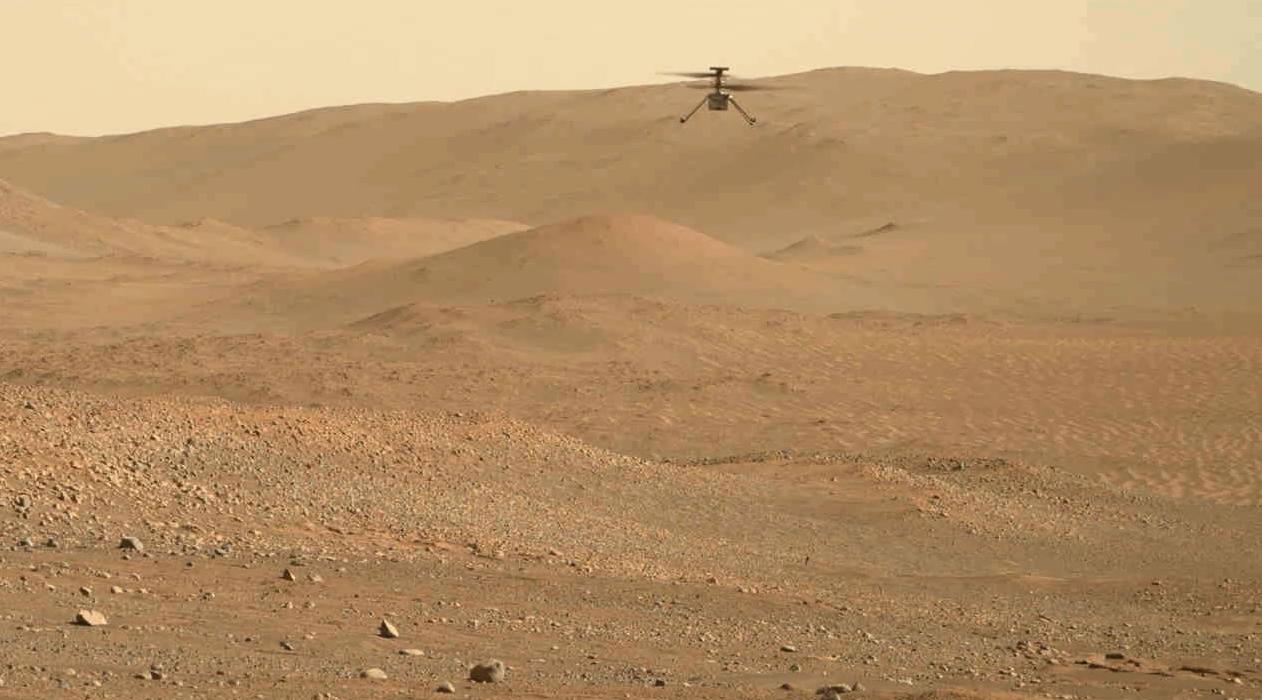
Robots go first and do the work humans can’t or shouldn’t — scouting, building and maintaining a base before and alongside crews.
- Autonomous rovers that explore and map without waiting for Earth.
- Construction robots that prepare sites and assemble habitats.
- Maintenance and repair robots for equipment servicing.
- Drones (like NASA’s Ingenuity) for aerial scouting.
- Cargo and transport platforms moving supplies across the surface.
- AI-driven control that lets machines act on their own during comms delays.
05Artificial intelligence
Because real-time control from Earth is impossible, a Mars base has to think for itself. AI is the nervous system of a settlement.
- Running the colony — coordinating systems, schedules and resources.
- Analysing science and sensor data at scale.
- Diagnosing equipment and predicting failures before they happen.
- Autonomous navigation for rovers and landers.
- Managing power — balancing solar, storage and reactors.
06Construction technology
Shipping buildings from Earth is far too heavy, so the plan is to build on Mars from Mars — a field called in-situ construction.
- 3D-printed structures, printed layer by layer on site.
- Printing with Martian regolith (soil) as the raw material.
- Modular bases assembled from prefabricated units.
- Underground bases dug or placed in lava tubes for shielding.
- Inflatable habitats that pack small and expand on arrival.
- Protective domes over living and farming areas.
07Oxygen production
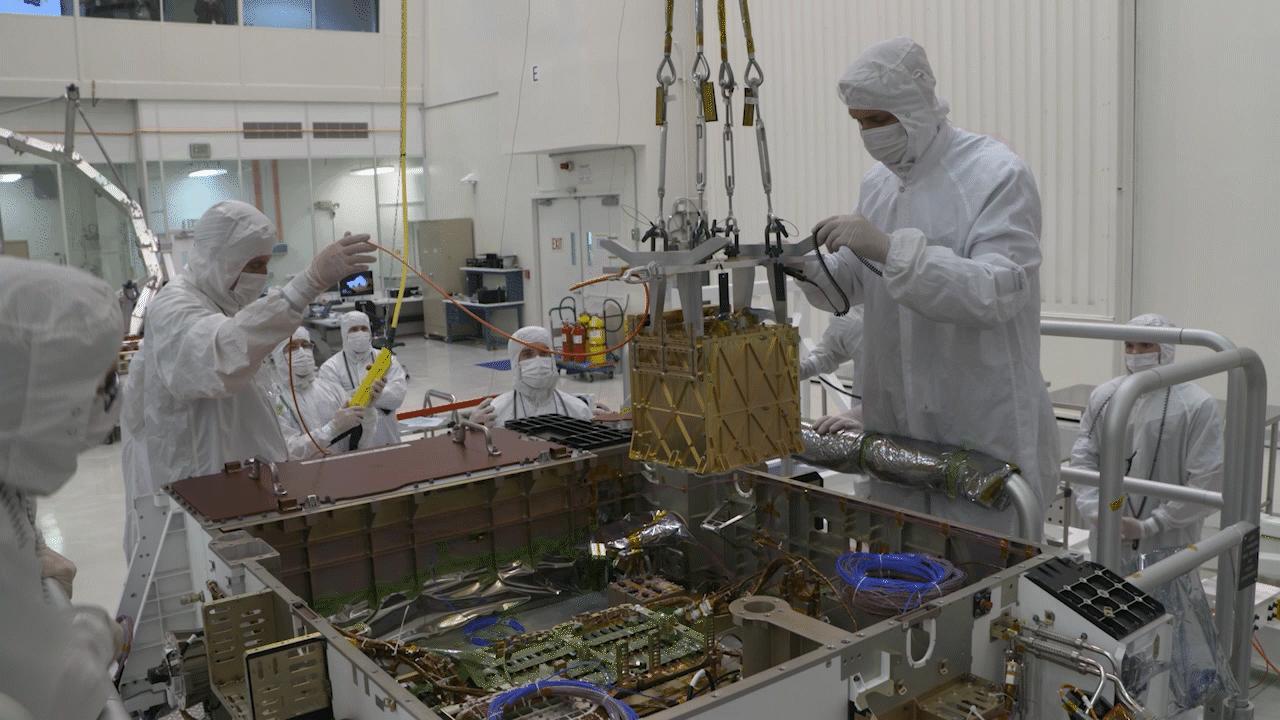
Mars’ air is ~95% carbon dioxide, so oxygen is made, not mined. NASA’s MOXIE experiment on Perseverance proved the core method, producing oxygen from atmospheric CO₂ on the surface (first run in 2021).
- Splitting CO₂ into oxygen and carbon monoxide (solid-oxide electrolysis, as MOXIE does).
- Electrolysis of water into oxygen and hydrogen.
- Using buried ice as a water — and therefore oxygen — source.
- Scaling small experiments up to habitat-sized plants.
08Getting water
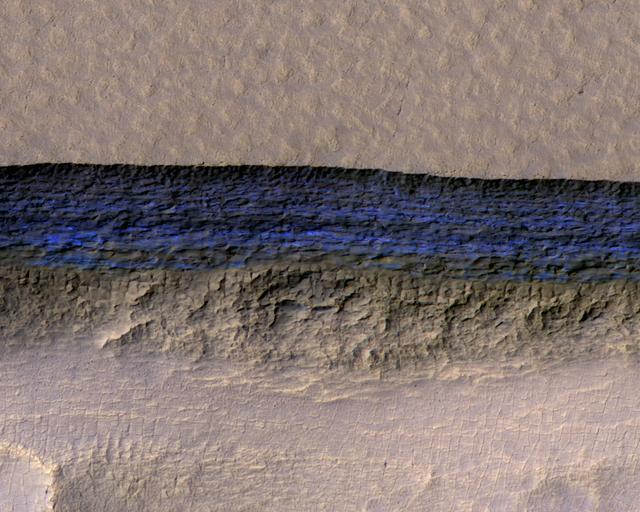
Water is the keystone resource — for drinking, for oxygen and for rocket fuel. Mars has plenty locked in ice and minerals; the technology is about extracting and recycling it.
- Mining subsurface and polar ice.
- Purifying it into safe drinking water.
- Recycling wastewater — the ISS already reclaims the large majority of its water.
- Running a near-closed-loop system so almost nothing is wasted.
09Food production
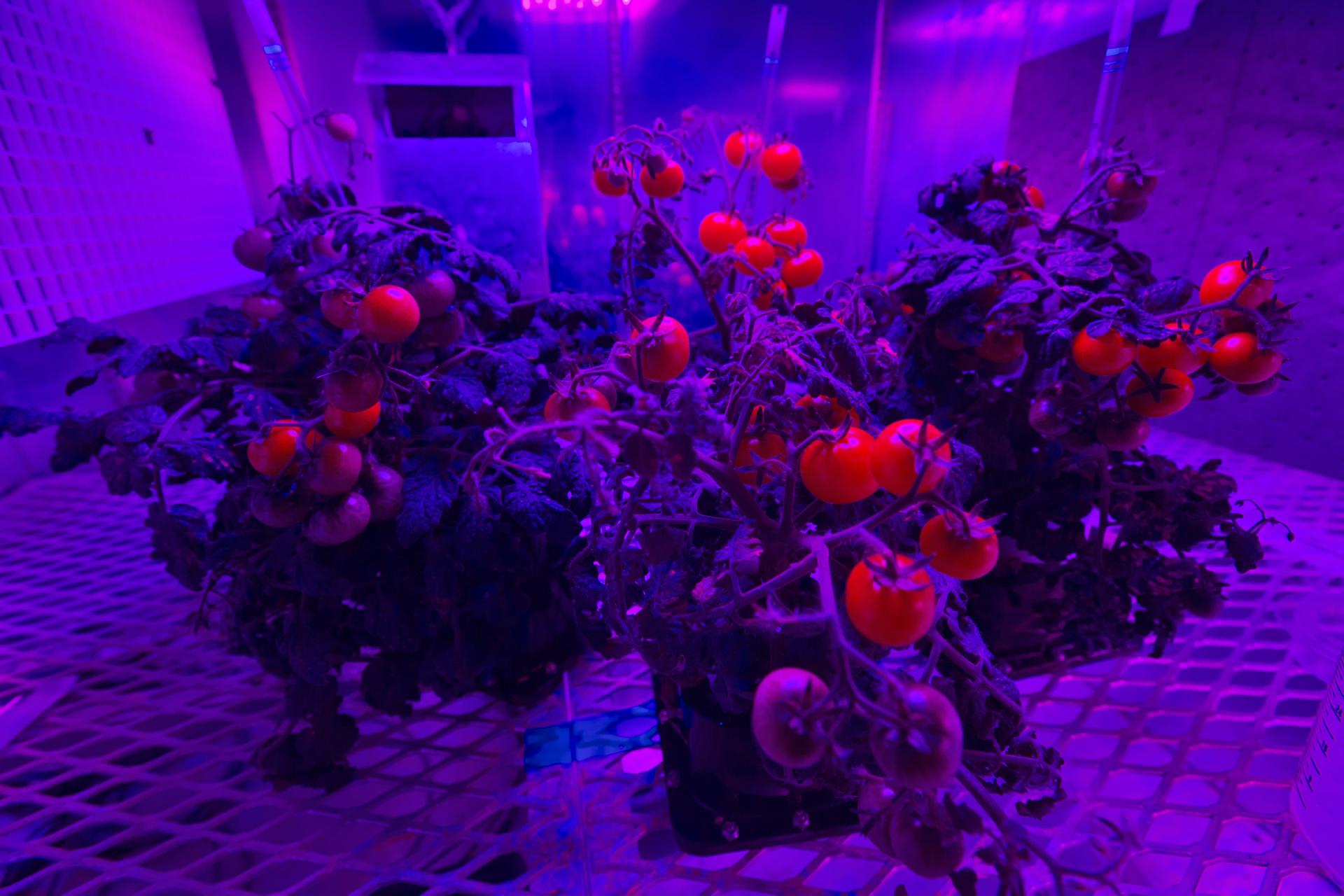
Resupply from Earth is too slow and costly, so a base has to grow most of its own food. Crews on the ISS have already grown and eaten crops in orbit.
- Hydroponics — growing plants in nutrient solution, no soil.
- Aeroponics — roots misted with nutrients, using even less water.
- Vertical farms to maximise yield per square metre.
- Staple crops like potatoes, plus fast greens.
- Algae and cultivated (lab-grown) protein for calories and recycling.
- Turning organic waste back into nutrients.
10Energy technology
Everything — heat, oxygen, water, farming, industry — runs on power, and Mars offers weaker sunlight and dust storms. Most plans combine several sources.
- Solar arrays — abundant but hit by dust and the day–night cycle.
- Compact fission reactors (NASA’s Kilopower/KRUSTY prototype was tested in 2018) for steady output.
- Batteries and regenerative fuel cells for storage.
- Hydrogen systems produced from local water.
- Backup power and a colony-wide grid to keep critical systems alive.
11Space communications
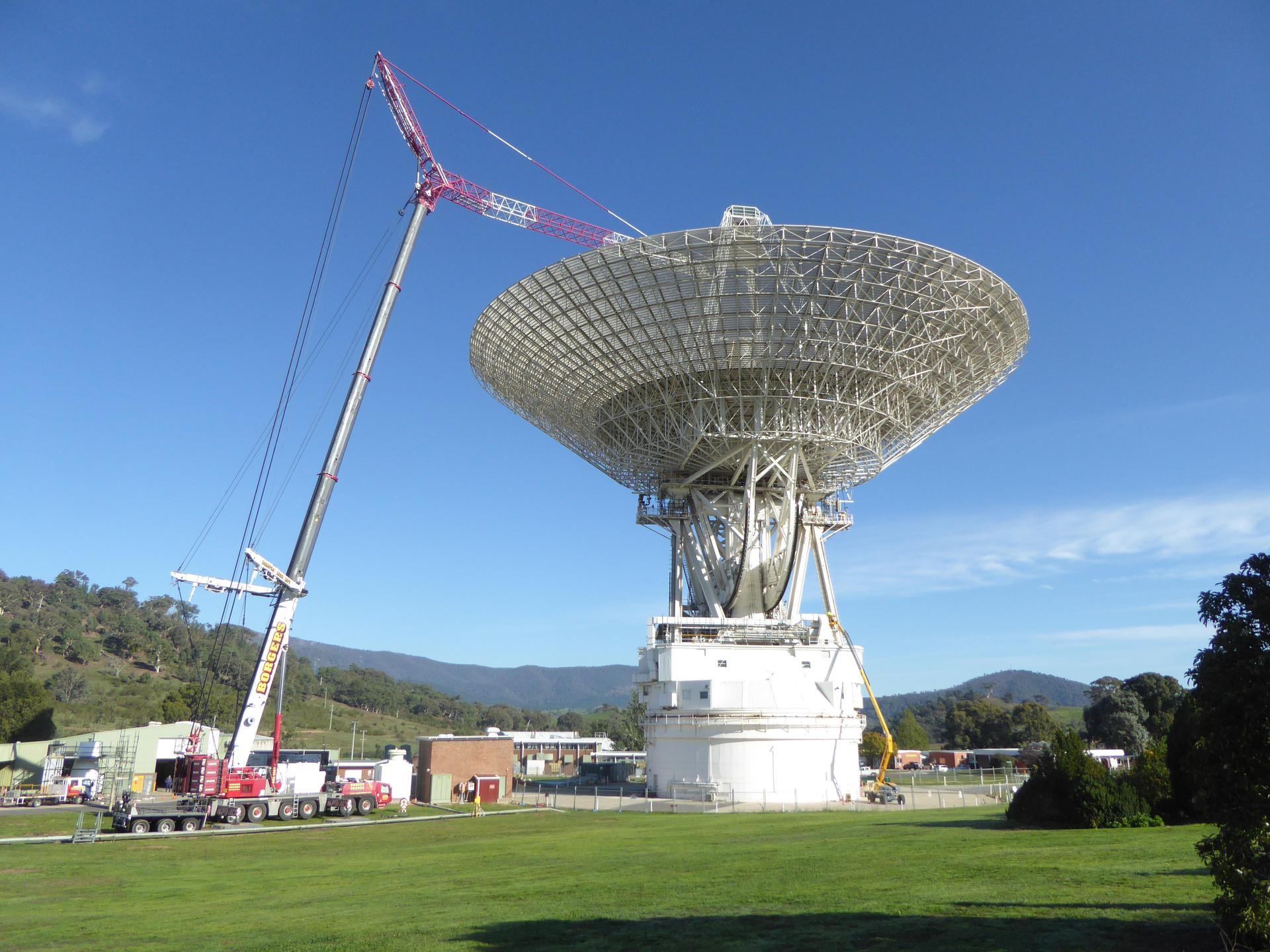
Earth and Mars talk over NASA’s Deep Space Network and relay orbiters, but light itself takes 3–22 minutes each way — so a live call is impossible. The frontier is optical (laser) communication, which packs far more data per signal; NASA’s DSOC experiment demonstrated deep-space laser links in 2023–2024. Longer term, a network of relay satellites could form an interplanetary internet.
12Next-generation spacesuits
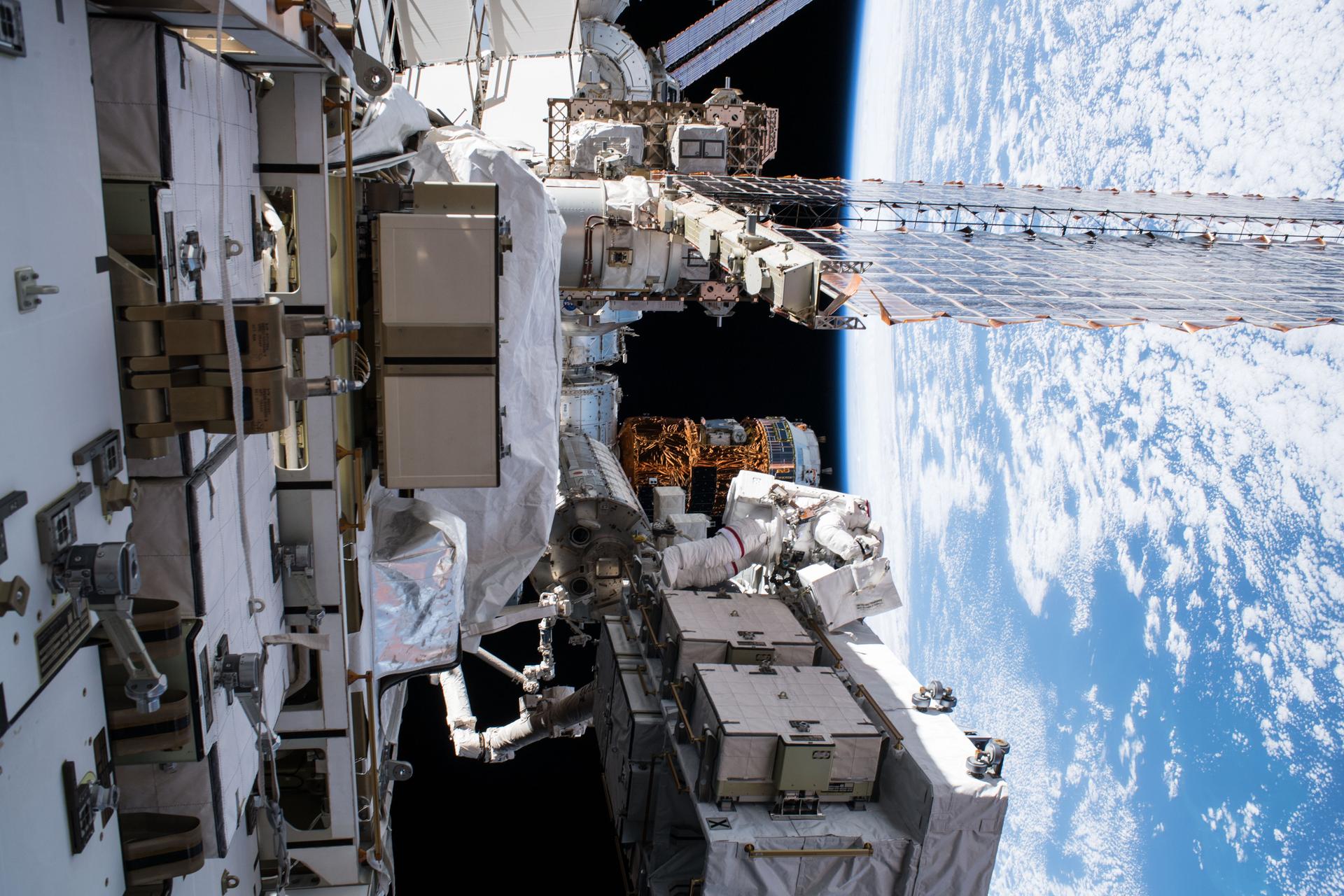
A Mars suit is a personal spacecraft. New designs (like the Artemis-era xEMU/AxEMU) push on every front at once.
- Radiation protection over long surface excursions.
- Dust sealing — Martian dust is fine and abrasive.
- Mobility so crews can actually work, not just stand.
- Onboard life support — air, pressure, CO₂ scrubbing.
- Active cooling to manage body heat inside the suit.
- New lightweight, durable materials.
13Medical technology
Evacuation to Earth is impossible for most of a mission, so a crew must be its own hospital. Medicine for Mars leans heavily on automation and remote support.
- Telemedicine — Earth specialists advising despite the delay.
- Robotic and assisted surgery.
- Compact diagnostics and imaging.
- Bioprinting of tissues (and, one day, organs) — still experimental.
- Medicines formulated to stay stable in space and radiation.
- Continuous crew health monitoring.
14Transport inside the colony
- Pressurised rovers for crewed trips away from base.
- Cargo platforms for moving heavy loads.
- Autonomous vehicles that drive themselves between sites.
- Uncrewed cargo trucks running supply routes.
- Drones for short-range delivery and survey.
- Rail or fixed-guideway links between hubs — a far-future idea.
15Radiation protection
With no global magnetic field and a thin atmosphere, radiation is one of the defining challenges. There is no single fix — plans layer several.
- Underground bases and lava tubes.
- Thick walls and regolith piled over habitats.
- Water walls — water is an excellent shield and is needed anyway.
- Hydrogen-rich materials that block cosmic rays well.
- Active magnetic shielding — a promising but unproven concept.
16Making materials
A self-sufficient base has to manufacture its own building blocks from local raw material rather than importing them.
- Metallurgy — extracting and working metals.
- Processing regolith into usable feedstock.
- Glass from silica-rich soil.
- Concrete-like "Marscrete" binders.
- Ceramics for high-temperature parts.
- Polymers and plastics for tooling and printing.
17Resource extraction (ISRU)
In-situ resource utilization (ISRU) means living off the land. Its most important product is propellant: the Sabatier reaction combines Martian CO₂ with hydrogen to make methane and water, so a return ship can refuel on Mars.
- Iron, aluminium and silicon from regolith.
- Water ice for life support and fuel.
- Rarer metals for electronics and tools.
- Propellant production (methane + oxygen) on the surface.
18Terraforming
Terraforming means reshaping the whole planet toward Earth-like conditions — warming it, thickening the air and eventually making it breathable. It is the most speculative topic here.
- Warming the planet and releasing stored CO₂.
- Thickening the atmosphere to raise pressure.
- Producing oxygen on a planetary scale.
- A hypothetical artificial magnetic shield to protect the new atmosphere.
A reality check
A 2018 NASA-funded study concluded that terraforming Mars is not possible with present-day technology — there isn’t enough accessible CO₂ to thicken the atmosphere the way older plans assumed. Treat terraforming as a centuries-long question, not a near-term plan.
19Technologies of the future
These are longer-horizon ideas — some plausible, some deeply speculative — that could reshape a Mars settlement decades from now.
- Nanotechnology for materials and medicine.
- Quantum computing for hard simulation and optimisation.
- Autonomous factories that build with minimal human input.
- Artificial gravity via rotating habitats.
- A Mars space elevator — more feasible than Earth’s thanks to lower gravity, but still theoretical.
- Self-replicating robots that build more of themselves.
- Fully autonomous, self-sustaining cities.
20Technology at a glance
Where each key technology stands today — in service, being built, or still a future concept.
| Technology | In use | In development | Future |
|---|---|---|---|
| Reusable rockets | ✔ | — | — |
| Ion / plasma engines | ✔ | — | — |
| Oxygen from CO₂ (ISRU) | ✔ (experiment) | ✔ (at scale) | — |
| Optical / laser comms | ✔ (demo) | ✔ | — |
| 3D-printed regolith habitats | — | ✔ | — |
| Nuclear thermal propulsion | — | ✔ | — |
| Fusion propulsion | — | — | ✔ |
| Artificial gravity | — | — | ✔ |
| Space elevator | — | — | ✔ |
21Interesting facts
- Ion engines produce thrust roughly equal to the weight of a sheet of paper — yet reach enormous speeds over months.
- NASA’s MOXIE made breathable oxygen from Martian air, the first time humans produced a resource on another planet.
- The Ingenuity helicopter flew in air less than 1% as dense as Earth’s.
- Modern solar cells still generate power in the dim, dusty Martian daylight.
- NASA tested a suitcase-sized nuclear reactor (KRUSTY) that could power a base.
- The Sabatier reaction can turn Mars’ CO₂ into rocket fuel for the trip home.
- Laser communication can carry far more data than radio over the same link.
- A space elevator would be far easier to build on Mars than on Earth because gravity is weaker.
- Some rovers already decide their own driving routes without waiting for Earth.
- Martian soil can, in principle, be turned into glass, concrete and metal on site.
22Glossary
| Term | Definition |
|---|---|
| Regolith | The loose dust and broken rock covering Mars’ surface. |
| ISRU | In-situ resource utilization — making fuel, water and materials from local resources. |
| Hydroponics | Growing plants in nutrient-rich water instead of soil. |
| Aeroponics | Growing plants with roots misted by nutrient spray. |
| Ion engine | An electric thruster that accelerates ions for very efficient, low-thrust propulsion. |
| Plasma engine | An electric thruster that accelerates a plasma to produce thrust. |
| Terraforming | Altering a planet’s environment toward Earth-like conditions. |
| Modular base | A settlement assembled from prefabricated, connectable units. |
| Radiation shielding | Material or design that blocks harmful cosmic and solar radiation. |
| Sabatier reaction | A process combining CO₂ and hydrogen to make methane fuel and water. |
| Electrolysis | Using electricity to split a compound — e.g. water into oxygen and hydrogen. |
Continue exploring
23Frequently asked questions
What technologies are needed to live on Mars?
Chiefly life support (oxygen, water, food recycling), power (solar plus nuclear), radiation-shielded habitats, communications and transport — all working as one closed system.
How do spacecraft engines work?
Chemical engines burn fuel for high thrust; electric engines (ion, plasma) accelerate charged particles for high efficiency; nuclear engines use a reactor’s heat or power. Each suits a different phase of a mission.
Can houses be built on Mars?
Yes, in principle — using 3D printing with regolith, inflatable modules and buried or domed habitats. It hasn’t been done yet, but the methods are in active development.
Where would electricity come from?
From solar arrays plus compact nuclear fission reactors, with batteries and fuel cells for storage. Nuclear is valued because it keeps working through dust storms and the long night.
How is oxygen produced?
Mainly by splitting the CO₂ that makes up ~95% of Mars’ air, and by electrolysing water. NASA’s MOXIE proved CO₂-to-oxygen on the surface in 2021.
How is water obtained?
By mining subsurface and polar ice and extracting it from hydrated minerals, then purifying and recycling it in a near-closed loop.
Can plants be grown?
Yes, inside greenhouses using hydroponics or aeroponics, and eventually in treated regolith. Crews on the ISS have already grown and eaten fresh greens.
What robots will work on Mars?
Autonomous rovers, construction and repair robots, drones and cargo platforms — many already tested in prototype or on the surface.
How will the internet work?
Not in real time — the 3–22 minute delay makes that impossible. Mars would run a local network, with data relayed to Earth over radio and, increasingly, laser links.
Can artificial gravity be created?
In space, yes — a large rotating habitat produces a gravity-like force. On the Martian surface it isn’t practical, so 0.38 g is what settlers would live with.
What materials would construction use?
Mostly local ones: regolith-based concrete and printed structures, glass from silica, plus metals and ceramics processed on site.
Which technologies already exist?
Reusable rockets, ion and plasma thrusters, oxygen-from-CO₂ (demonstrated), autonomous rovers, water recycling and small nuclear reactors are all real today.
Which are still in development?
Nuclear thermal and nuclear-electric propulsion, large-scale ISRU, 3D-printed regolith habitats and deep-space optical communications are actively being developed.
Which technologies are the most promising?
ISRU (making fuel and oxygen locally), reusable super-heavy rockets, compact nuclear power and autonomous robotics are the ones most likely to make a settlement viable.
Is nuclear power safe to use on Mars?
Compact reactors are designed to be launched cold and only activated on Mars, and the planet’s isolation limits risk. NASA has already ground-tested a prototype (KRUSTY).
Can Mars be terraformed?
Not with today’s technology. A 2018 NASA-funded study found there isn’t enough accessible CO₂ to thicken the atmosphere — terraforming is a centuries-scale question at best.
How is fuel made on Mars?
Via the Sabatier reaction: Martian CO₂ plus hydrogen yields methane and water, and electrolysis provides the oxygen — enough to refuel a return rocket.
What is ISRU?
In-situ resource utilization — using local Martian resources (CO₂, ice, regolith) to make propellant, water, oxygen and building materials instead of shipping them from Earth.